If you want a San Diego area community that feels connected, walkable in key spots, and a little more grounded than the city’s most expensive pockets, La Mesa deserves a serious look. For many buyers, renters, and relocating households, the appeal is simple: you get a true neighborhood feel, useful transit, local events, and housing with more character than a brand-new master-planned setting. If you are wondering what day-to-day life in La Mesa actually feels like, this guide will help you picture it more clearly. Let’s dive in.
La Mesa at a glance
La Mesa calls itself the Jewel of the Hills, and that description fits the city’s setting in the rolling hills of San Diego County. It is centrally located, known for tree-lined streets, walkable neighborhoods, retail access, and a quaint downtown village. With 60,767 residents across 9.09 square miles, La Mesa tends to feel compact and neighborhood-scaled rather than spread out.
That smaller footprint shapes daily life in a practical way. You are not dealing with a huge city experience at every turn, but you still have access to restaurants, shopping, parks, and transit. For many people, that balance is a big part of the draw.
Downtown La Mesa lifestyle
One of the strongest lifestyle anchors in La Mesa is the Village core. The city’s vision for Downtown Village centers on a welcoming, lively, and accessible area with local shops, restaurants, public art, greenery, community events, and integrated mobility options. In plain terms, it is a place built for spending time, not just passing through.
The downtown business district sits near Spring Street and La Mesa Boulevard, just south of Interstate 8. There, you can dine, shop, and explore a mix of restaurants, shops, spas, salons, fitness centers, and business services. That gives the area a real neighborhood rhythm, especially if you enjoy having errands and social plans close together.
La Mesa’s history also plays into the atmosphere. Established in 1912, the city is well known for its quaint downtown Village, seasonal festivities, and small-business feel. If you prefer places with some local identity and a sense of continuity, that can matter a lot.
Everyday convenience feels easy here
A big part of living well is not needing to overthink your daily routine. La Mesa’s local dining and shopping scene helps with that. The city describes the area as thriving with new developments, businesses, parks, restaurants, retail experiences, and leisure options, with the key advantage that you do not have to travel far for many everyday needs.
That convenience can show up in small but meaningful ways. You may be able to grab coffee, pick up groceries, meet friends, or take care of quick errands without turning everything into a long drive. For buyers and renters alike, that kind of day-to-day ease often adds as much value as square footage.
Community events add real texture
La Mesa is not just functional. It also has a community calendar that gives the city more personality. The La Mesa Village Farmers Market on La Mesa Boulevard features more than 60 vendors offering produce, baked goods, meats, cheeses, local artisan goods, food vendors, and live music.
Beyond the farmers market, the Village Association highlights recurring events like Bingo in the Village, the Classic Car Show & Live Music Event, Taste of La Mesa Village, Halloween in the Village, and Holiday in the Village. These are the kinds of events that make a place feel active and familiar rather than anonymous. If you like the idea of a community where there is actually something to do close to home, La Mesa stands out.
Parks and outdoor access
La Mesa also works well for people who want outdoor options nearby. Harry Griffen Park is a 53-acre regional facility with a 360-seat amphitheater, jogging path, dog park, playground, picnic areas, and reservable sites. That makes it useful for both everyday recreation and bigger gatherings.
The city also points residents toward Lake Murray, which is described as a very popular regional facility, and Mission Trails Regional Park, one of the largest regional urban parks in the United States. That gives you a nice range of outdoor experiences nearby, from casual neighborhood park time to larger-scale trail and open-space access. If being near parks matters to your quality of life, La Mesa offers more than a single green space.
Transit is a real plus
Not every San Diego area community offers a transit setup that noticeably shapes lifestyle, but La Mesa does. The MTS Orange Line serves La Mesa with three stops: Grossmont Center, La Mesa Village, and Spring Street. Riders can get a direct one-seat ride to Downtown San Diego.
MTS also notes free park-and-ride lots with free parking for up to 24 hours. Orange Line service runs every 15 minutes on weekdays from 4:30 a.m. to after 11 p.m., with frequent weekend service as well. If you commute, want flexibility, or simply like having a backup to driving everywhere, this is one of La Mesa’s more practical advantages.
What the housing stock feels like
La Mesa is nearly built out, and that affects the kind of housing you will find. According to the city’s ADU guidebook, only about 2% of the city’s land area is vacant or undeveloped. That helps explain why infill projects, adaptive reuse, and smaller additions matter here.
The city’s housing element says the broadest single-family neighborhoods are mostly detached homes on 6,000-square-foot lots. It also reports that multi-family housing made up about 46.5% of the city’s housing stock in 2020. So while you will absolutely find traditional detached homes, La Mesa also includes a meaningful mix of condos, apartments, and other attached housing options.
In practical terms, La Mesa does not read as one-note. It has older single-family areas, multi-family options, and newer infill-oriented housing forms. That mix can be helpful if you are looking for flexibility in price point, property type, or maintenance level.
Expect character over uniformity
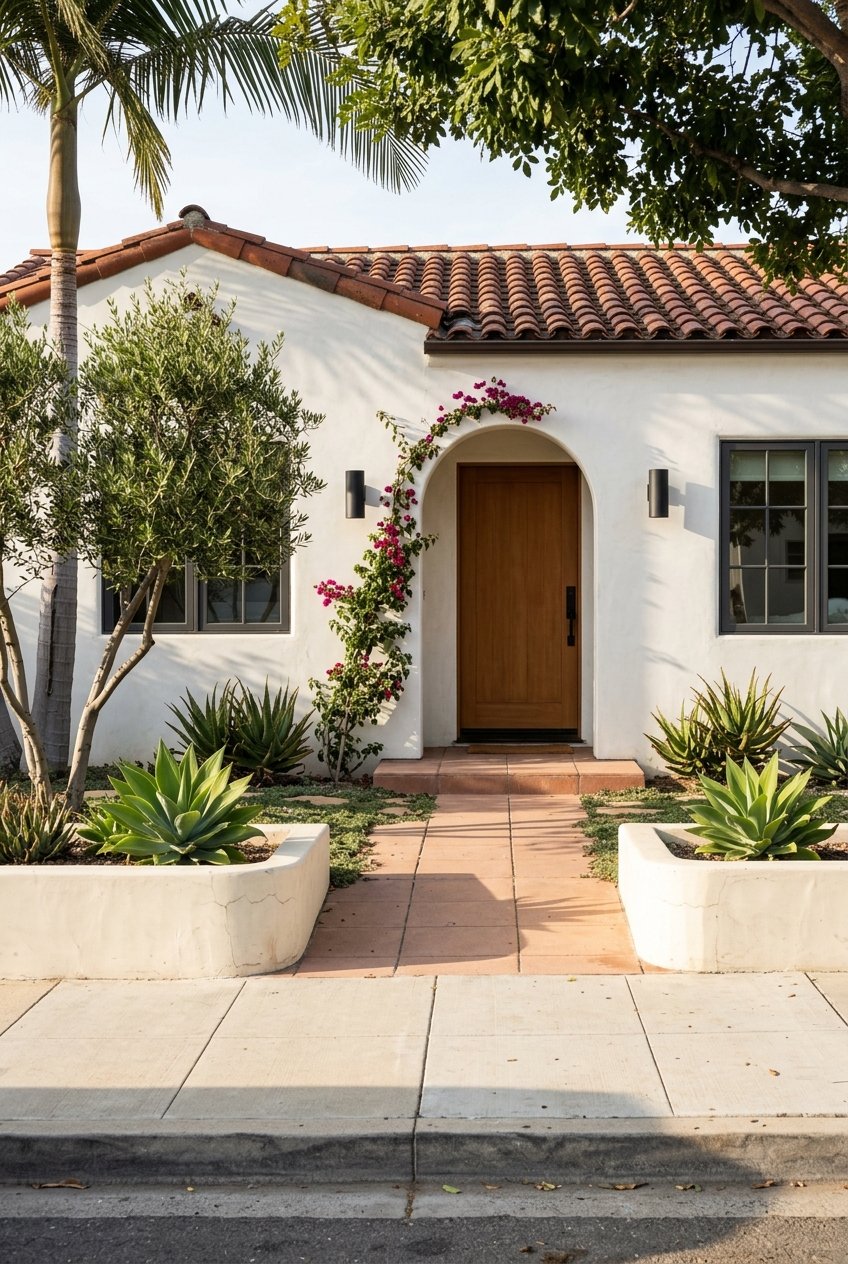
One of the more distinct things about La Mesa is that much of its housing stock is older. The city’s historic materials and inventory updates indicate that many properties are over 50 years old, and local landmark examples include bungalow, ranch, and civic building styles. That gives the city a housing identity shaped by age, variation, and architectural texture.
For some buyers, that is a major plus. Older homes can offer details and streetscapes that feel more established and less repetitive. For others, it is simply important context, because living in a community with older housing often means evaluating condition, updates, and long-term maintenance more carefully.
La Mesa also has a city-backed ADU program with preapproved plans ranging from studios to three-bedroom units. Its objective design standards also cover townhomes, apartments, and condominiums. Altogether, that points to a city where secondary units and newer multi-unit forms are part of the housing conversation, not an exception.
How La Mesa fits different lifestyles
La Mesa can make sense for several kinds of households. If you are an early-stage buyer, the mix of condos, older homes, and infill housing may open up more paths than you would find in some higher-priced coastal areas. If you rent, the transit access, downtown amenities, and neighborhood scale may support a practical, connected lifestyle.
It can also appeal to long-time owners or move-down buyers who want character and convenience more than brand-new uniformity. The combination of a Village core, parks, and housing variety gives the city broad utility. It is the kind of place that can work well if you value access and personality in equal measure.
La Mesa market context
Current Census QuickFacts show a 47.7% owner-occupied rate in La Mesa. The median owner-occupied home value is $812,000, and the median gross rent is $2,049. For context, the comparable figures for the City of San Diego are $906,700 for owner-occupied home value and $2,313 for median gross rent.
That does not mean La Mesa is inexpensive, but it does suggest a position below the citywide core on those measures. For some buyers and renters, that relative difference is part of the appeal. You may be able to access a central San Diego County location, local amenities, and a strong neighborhood feel at a lower benchmark than in some surrounding parts of the market.
The city’s median household income is $95,028, and the age mix is broad, with 21.7% of residents under 18 and 15.5% age 65 or older. That points to a city used by people in different life stages, rather than one shaped by a single household type.
Is La Mesa a good fit for you?
La Mesa may be a strong fit if you want a community that feels established, accessible, and locally active. The Village gives it a social center, the transit line adds flexibility, and the housing stock offers variety with real character. For many people, it hits a useful middle ground between convenience and charm.
It may be especially worth exploring if you value walkable pockets, older homes, practical access to Downtown San Diego, and parks that are easy to enjoy on a normal week. And if you are comparing renting versus buying, or deciding between a condo, detached home, or multi-unit option, La Mesa gives you several ways to enter the market depending on your goals.
If you are thinking about buying, selling, relocating, or simply figuring out whether La Mesa fits your lifestyle, working with an advisor who can help you read the details matters. For tailored guidance on La Mesa and the broader San Diego market, connect with Trinton Hurt.
FAQs
What is La Mesa known for in San Diego County?
- La Mesa is known for its quaint downtown Village, seasonal events, small-business feel, tree-lined streets, and central location in the rolling hills of San Diego County.
What is daily life like in La Mesa for residents?
- Daily life in La Mesa often centers on convenient errands, local dining and shopping, community events, park access, and in some areas, useful transit connections through the Orange Line.
What types of homes are common in La Mesa?
- La Mesa has a mix of detached single-family homes, condos, apartments, and other multi-family housing, with many properties reflecting older housing styles and an established built-out city pattern.
Is La Mesa a walkable area for everyday activities?
- Some parts of La Mesa, especially around the Village core, are set up for walking to restaurants, shops, services, and events, though the experience depends on the specific area you choose.
Does La Mesa have public transit to Downtown San Diego?
- Yes. The MTS Orange Line serves La Mesa at Grossmont Center, La Mesa Village, and Spring Street, with a direct one-seat ride to Downtown San Diego.
Is La Mesa more affordable than the City of San Diego overall?
- Based on current Census QuickFacts, La Mesa’s median owner-occupied home value and median gross rent are both below the comparable figures for the City of San Diego overall.