Moving from a major city to La Jolla can sound simple on paper, but the adjustment is real. You are not just changing addresses. You are shifting into a coastal community with limited housing, distinct neighborhood character, and a pace that feels different from a dense urban core. If you are weighing the move, this guide will help you understand what daily life, housing, access, and the buying process can actually look like in La Jolla. Let’s dive in.
What La Jolla Feels Like
La Jolla is a coastal community within the City of San Diego, located about 12 miles north of Downtown San Diego. The City describes it as roughly 5,700 acres with about 32,000 residents, and it is primarily residential. It is also about 99% built out, which shapes both the lifestyle and the housing options you will find.
If you are coming from a major city, one of the first things you may notice is that La Jolla feels more like a developed beach town than a dense urban neighborhood. It has a strong local identity, with the Village, Shores, and Bird Rock serving as the main commercial districts. That means your day-to-day life may feel more neighborhood-based and less centered on a single downtown experience.
Daily Life in La Jolla
La Jolla’s lifestyle is tied closely to its coastline, parks, and institutions. Beaches, bluffs, community parks, a recreation center, and a public library all play a role in how residents spend their time. Major institutions like UC San Diego, Scripps, the La Jolla Playhouse, and the Museum of Contemporary Art also add year-round activity and cultural depth.
For many relocators, this mix is part of the appeal. You can have access to coastal scenery and outdoor recreation while still being near research, education, and arts destinations. If you are used to a city where everything happens indoors or around nightlife districts, La Jolla may feel more open-air and place-driven.
If you are moving with children or planning for a long-term stay, the City notes that the community includes San Diego Unified schools along with private and charter options. From a relocation standpoint, that means many buyers look at La Jolla not just as a scenic place to land, but as a place to settle into over time.
Why Coastal Rules Matter
In La Jolla, coastal rules are not just background details. The California Coastal Act designates the community as a place of regional and statewide significance. In practical terms, that means coastal access, visual character, and neighborhood review can affect what gets built, changed, or approved.
For you as a buyer, this matters because the surrounding environment is part of the value equation. View corridors, streetscape character, and development limitations can shape both your living experience and your long-term expectations for a property. In a place like La Jolla, the setting is part of the asset.
Getting Around From La Jolla
One of the biggest adjustments for someone coming from a major city is transportation. La Jolla is bounded on the east by Interstate 5 and shaped by ocean bluffs, canyons, and hillsides. As a result, mobility often feels more car-oriented than it does in dense city neighborhoods with transit woven through the residential core.
That does not mean transit is absent. MTS Route 30 connects Old Town Transit Center and UTC Transit Center through Pacific Beach, La Jolla, and UC San Diego. The UC San Diego Blue Line also serves UTC and continues via La Jolla and Old Town toward downtown, with trains running every 15 minutes throughout the day according to MTS.
For airport access, MTS points riders to Route 992 or the free San Diego Flyer shuttle from Old Town Transit Center. Still, many newcomers find that transit works best as a supplement rather than a complete substitute for driving, especially if you plan to move around La Jolla regularly.
Parking and Traffic Reality
Weekend beach traffic and parking are part of life here. The City notes that La Jolla Shores has parking, but the lot fills quickly during summer weekends. MTS also says parking at the Nobel Drive Blue Line station is often full by 7:30 a.m. on weekdays.
That may sound like a small detail, but it affects real daily decisions. Showings, errands, beach time, and commuting often go more smoothly when timed around congestion and parking demand. If you are coming from a city where rideshare, subways, or walking covered most of your mobility, this is an adjustment worth planning for early.
Housing in a Built-Out Market
La Jolla’s housing stock is both limited and varied. The City notes that the area was historically known for small single-family summer cottages, and because the community is now about 99% built out, infill is the main development pattern. In other words, there is not much room for large-scale new supply.
That limited inventory is part of why La Jolla can feel so competitive and so specific. You may find a broad mix of property types, but you are often choosing among homes shaped by lot constraints, neighborhood context, parking realities, and view considerations. In some cases, those factors matter just as much as square footage or interior finishes.
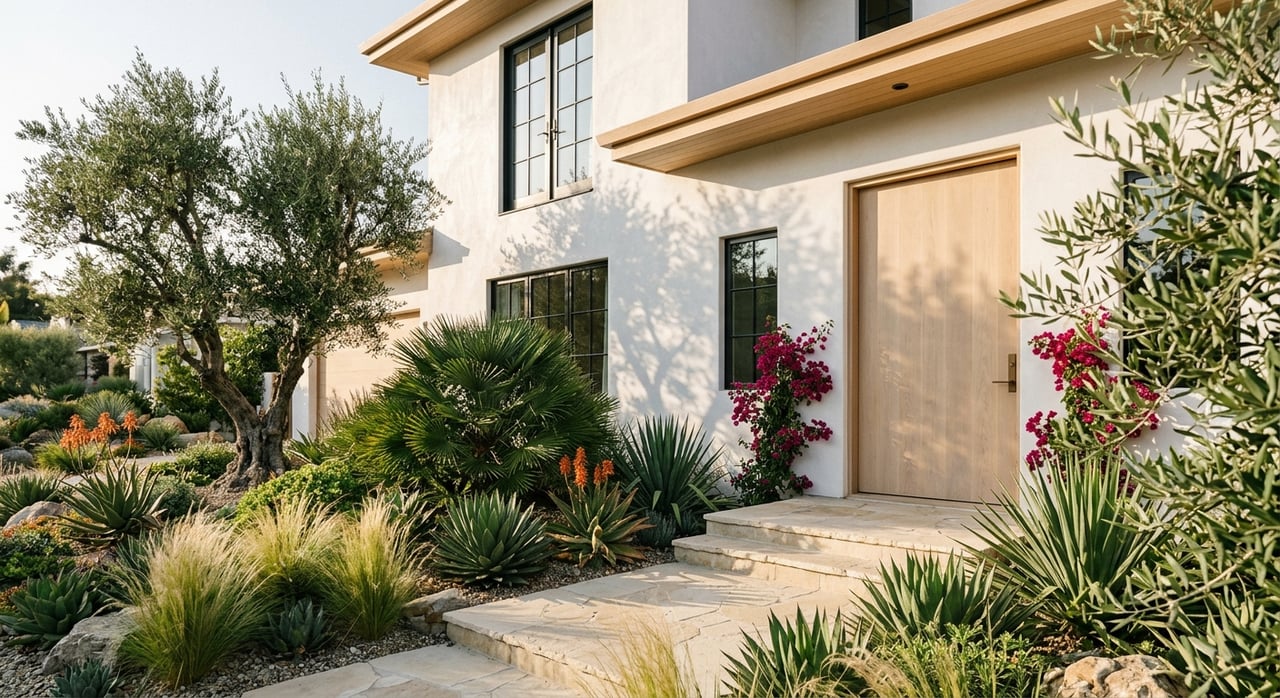
In La Jolla Shores, the official design manual describes a primarily single-family area with a low-slung, glass-forward, courtyard-oriented character and Spanish or Mediterranean influences. If you care about architecture and lifestyle fit, it helps to think beyond price alone and consider how a home relates to its site, light, and surroundings.
What Price Expectations Look Like
If you are moving from another major city, it is important to enter La Jolla with realistic pricing expectations. According to the Greater San Diego Association of REALTORS®, as of May 2026 the median detached sales price in ZIP code 92037 was $3,473,600. The median attached sales price was $1,327,500, and detached homes were taking about 56 days on market.
Zillow’s La Jolla home value index was $2,476,319 as of May 31, 2026, up 4.4% year over year, with homes going pending in about 23 days. Realtor.com research also showed a median rental price around $8,000 and a median listing price near $2.995 million. Together, those figures point to a premium coastal market where both ownership and renting can come with a significant price tag.
For added context within San Diego, Zillow places nearby Pacific Beach at about $1.41 million in typical home value and University City at about $1.01 million. That comparison helps explain why buyers often view La Jolla as a more premium option, even relative to nearby neighborhoods.
What Out-of-Area Buyers Should Prioritize
When you are relocating from another city, it is easy to focus on finishes, views, and photos first. In La Jolla, that can be a mistake if it comes at the expense of process and property context. Because the market is built out, coastal, and price-sensitive, practical issues like parking, HOA rules, commute convenience, and view impact can be just as important as the design details.
The California Department of Real Estate recommends interviewing several agents, verifying licensing, defining your neighborhood and monthly-cost needs, hiring a qualified inspector, using contingencies, and reviewing disclosures carefully. It also notes that escrow is a neutral third party and that title insurance protects against unknown title defects. That is especially relevant in a market where condos, townhomes, and HOA-governed properties are common.
For many relocating buyers, clarity matters more than speed alone. A thoughtful search process can help you compare La Jolla’s micro-areas more effectively and avoid paying for a lifestyle that does not actually match how you live.
How Remote Touring Can Work
If you cannot be in town right away, remote buying can still be workable with the right structure. The strongest approach usually includes live video tours, neighborhood comparisons, inspection-first thinking, and careful disclosure review. In La Jolla, those steps matter because so much of value is tied to surroundings, access, and property-specific tradeoffs.
A polished listing does not always tell you how a street feels at different times of day, how tight parking is, or how convenient the route is to your regular destinations. For an out-of-area buyer, that is where candid walkthroughs and honest red-flag spotting become especially important. The goal is not just to help you buy remotely. It is to help you buy with confidence.
Closing From Out of Town
If you are assuming your entire California purchase can be completed without appearing in person, pause there. The California Secretary of State says personal appearance is still required for notarial acts such as acknowledgments and jurats, even though electronic notarizations are allowed when traditional paper-based requirements are met. A fully remote California closing should not be assumed.
That does not mean a relocation purchase is unusually difficult. It simply means you should plan ahead and confirm each signing step early. A clear timeline is often one of the best ways to reduce stress when you are coordinating a move across cities.
Protecting Your Money During a Remote Purchase
If you are buying from out of area, wire-fraud awareness should be part of your process from day one. The FTC warns that wiring money is like sending cash because it is usually hard to get back. The CFPB also says mortgage-closing scams can involve emails that appear to come from a real estate agent, title company, escrow officer, or attorney.
The practical takeaway is simple. If payment instructions change unexpectedly, treat that as a verification step, not a routine update. In a high-value market like La Jolla, careful communication is not just nice to have. It is part of protecting your purchase.
A Smarter Way to Plan Your Move
If you are relocating to La Jolla from another major city, the biggest mindset shift is this: you are not shopping for a generic coastal address. You are evaluating a built-out community where lifestyle, mobility, architecture, and neighborhood context all shape value in a meaningful way.
That is why the best relocation plan usually starts with a few grounded questions. How do you want your weekdays to feel? How much driving are you comfortable with? How important are walkability, parking, beach access, and housing type? The clearer those answers are, the easier it becomes to filter options and make a smart move.
La Jolla can be an exceptional fit for the right buyer, but it rewards preparation. If you want strategic guidance, honest local perspective, and a more refined relocation experience, Trinton Hurt can help you move with clarity.
FAQs
What is daily life like when relocating to La Jolla?
- La Jolla often feels more like a highly developed beach town than a dense urban core, with daily life shaped by beaches, parks, local commercial districts, and institutions like UC San Diego and Scripps.
What should out-of-area buyers know about La Jolla housing?
- La Jolla is about 99% built out, so inventory is limited and infill is common, which makes property context, parking, views, and neighborhood fit especially important.
What are current home price expectations in La Jolla?
- As of May 2026, the median detached sales price in ZIP code 92037 was $3,473,600 and the median attached sales price was $1,327,500, reflecting La Jolla’s premium coastal market position.
What transportation changes should major-city movers expect in La Jolla?
- Many newcomers find La Jolla more car-oriented than dense city neighborhoods, even though MTS Route 30 and the UC San Diego Blue Line provide useful transit connections.
What should remote buyers watch for when purchasing in La Jolla?
- Remote buyers should focus on live video tours, careful disclosure review, inspections, contingencies, and verifying any payment instructions to help avoid wire fraud and expensive surprises.