If you think La Jolla is just one polished coastal neighborhood, you are missing the real story. Living here is less about a single luxury label and more about choosing a setting, rhythm, and design language that fits how you want to live. Whether you are buying, selling, or simply trying to understand the area better, this guide will help you see how La Jolla’s architecture, micro-neighborhoods, and daily routines come together. Let’s dive in.
Why La Jolla Feels So Distinct
La Jolla covers roughly 5,718 acres and has about 32,000 residents, according to the City of San Diego. It sits about 12 miles north of Downtown San Diego and is shaped by ocean bluffs, canyons, hillsides, and Mount Soledad. That terrain creates a coastal community with very different pockets, even when addresses are only minutes apart.
The area is also about 99 percent built out. That matters because the housing conversation here is often less about brand-new subdivisions and more about renovation, preservation, infill, and thoughtful repositioning of existing homes. In a place like La Jolla, design is not just visual. It is deeply tied to site, topography, and how a home relates to the coast.
Design Shapes Daily Life
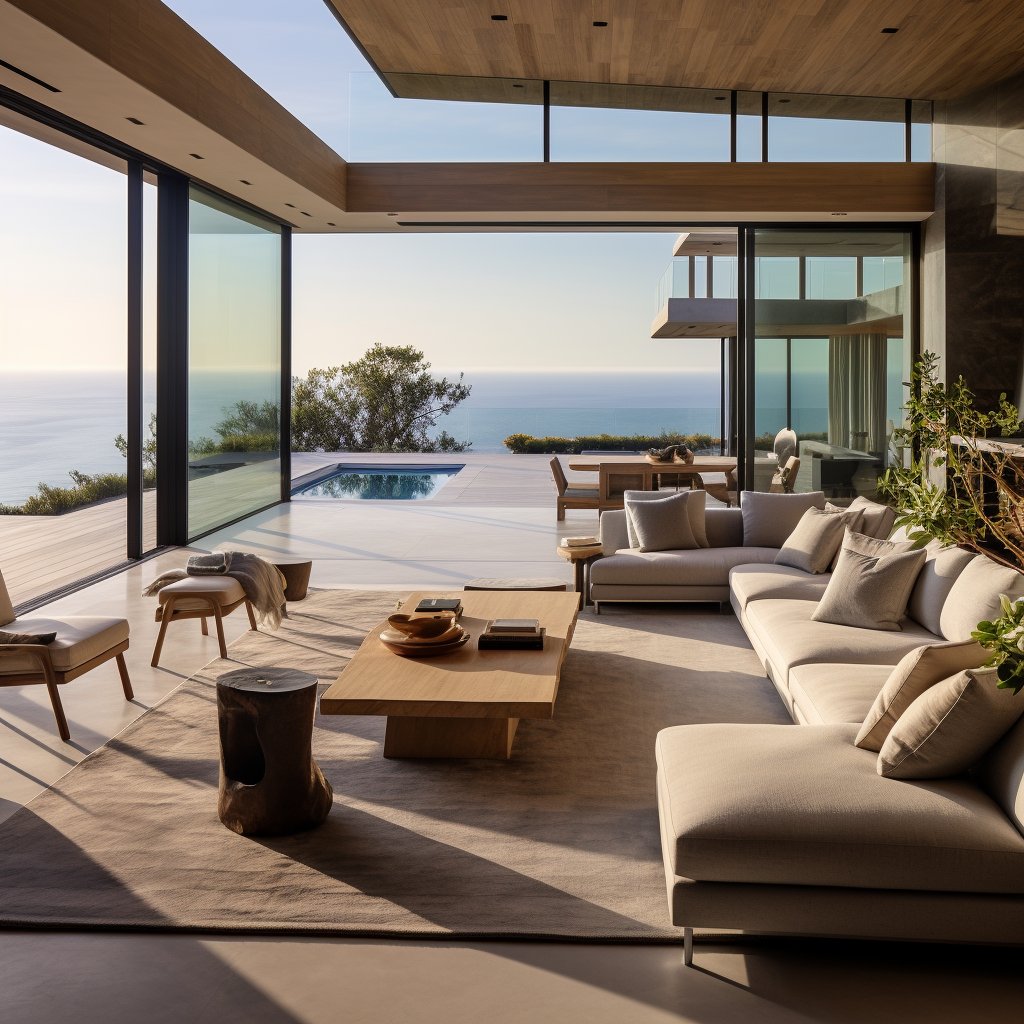
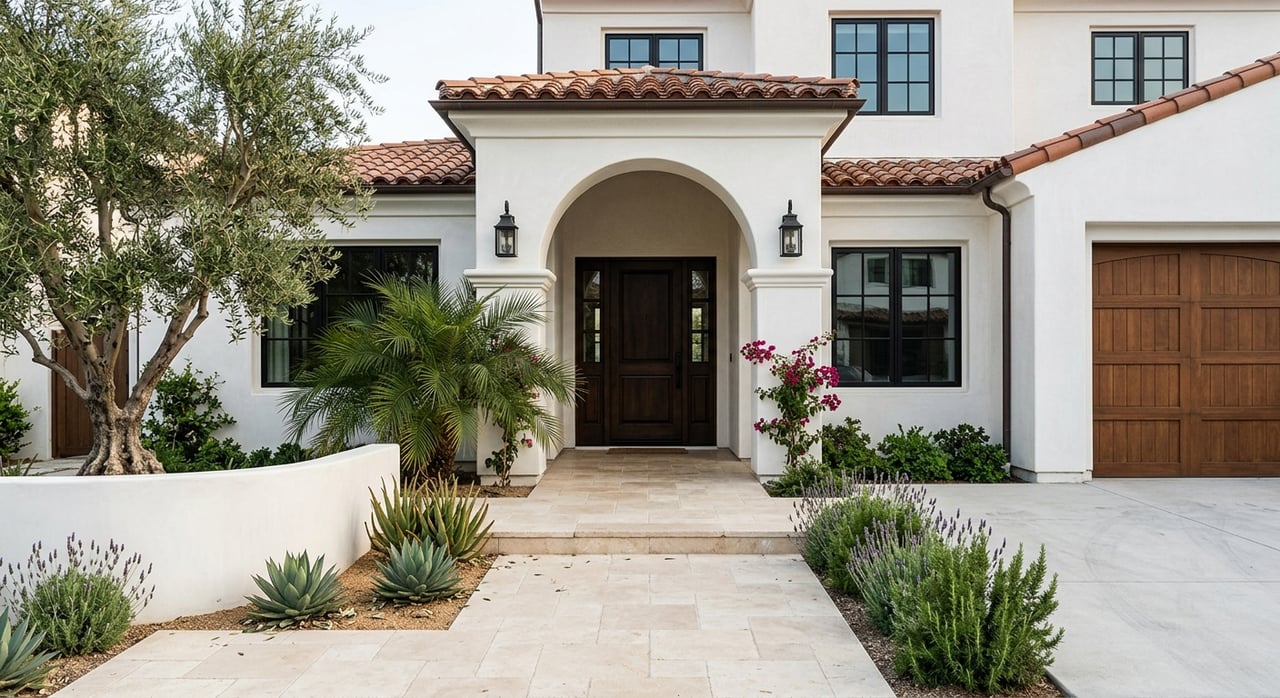
La Jolla has a strong architecture and preservation culture that goes well beyond curb appeal. The local built environment includes bungalow and beach cottages, 1920s Spanish Revival homes, and midcentury modern properties influenced by California Ranch and International Style design. That mix gives the community a layered identity instead of a one-note look.
The influence of the Scripps and Gill cultural zone adds another layer. Early modernist civic architecture associated with Irving Gill and Ellen Browning Scripps helped shape the area’s design identity, and that legacy still matters today. In practical terms, buyers and sellers in La Jolla are often looking at homes through both a lifestyle lens and a design lens.
This design awareness is active in everyday community life. The La Jolla Historical Society offers architecture tours, and annual programming includes the Secret Garden Tour of La Jolla, La Jolla Modernism and Architecture Week, and the La Jolla Concours d’Elegance. In other words, architecture here is part of local culture, not just a private interest.
La Jolla’s Main Pockets
The Village: Walkable and Polished
The Village is La Jolla’s historic core and one of its most walkable areas. The community plan places it around Prospect Street, Girard Avenue, and Torrey Pines Road, and it remains the most concentrated center for shops, restaurants, galleries, and coastal activity.
If you want a classic La Jolla experience, this is often the reference point. You get polished public spaces, frequent foot traffic, and easy access to ocean views and daily conveniences. For some buyers, that creates energy and convenience. For others, it means giving up a bit of privacy compared with more residential hillside streets.
La Jolla Shores: Beach-First Living
La Jolla Shores is where beach life feels most built into your routine. The City of San Diego describes it as a sandy beach about one mile long, with gentler summer waves than many other city beaches and support for novice scuba classes.
The amenities reinforce that lifestyle. There is a permanent lifeguard station, beach wheelchairs, fire pits, a playground, restrooms, showers, and the only beachfront boat launch within San Diego city limits. If your ideal day starts with sand, surf, kayaking, or diving, La Jolla Shores offers one of the clearest lifestyle matches in the area.
Bird Rock: Independent and Local
Bird Rock has a more neighborhood-scaled feel. Its walkable four-block stretch along La Jolla Boulevard brings together coffee shops, restaurants, wine bars, boutiques, and a more independent village atmosphere.
This pocket tends to feel a little more local in rhythm. Calumet Park also helps define the area by blending residential streets, small-scale commercial activity, and quick coastal access. If you like walkability but want a slightly more tucked-in feel than the Village, Bird Rock stands out.
Windansea: Surf and Texture
Windansea offers a very different coastal experience. The City of San Diego describes it as a rocky shoreline with surf breaks created by underwater reefs, and notes that the shore break can be moderate to severe, making it popular with surfers but requiring caution for swimmers.
That naturally changes the feel of the surrounding area. Windansea is less about broad, easy beachgoing and more about texture, surf culture, and a stronger connection to the raw coastal edge. For buyers drawn to character and a more surf-oriented identity, that distinction matters.
Hillsides and View Streets
Some of La Jolla’s most compelling homes sit away from the flatter beach zones. Because the community includes steep canyons, hillsides, and view corridors tied to Mount Soledad, many addresses feel secluded, elevated, and view-driven rather than beach-walkable.
That is an important expectation shift. A home may still be very much in La Jolla while delivering a daily experience centered on privacy, outlook, and topography rather than quick walks to the sand. For design-conscious buyers, this is often where architecture and siting become especially important.
Torrey Pines: Nature at the Edge
At the northern edge of the La Jolla orbit, Torrey Pines adds a more nature-driven counterpoint. Torrey Pines State Natural Reserve is described by California State Parks as a wilderness island in an urban sea, with cliffs, ravines, salt marsh habitat, and the nation’s rarest pine tree.
That contrast is part of what makes the broader La Jolla area so compelling. In a short span, your surroundings can shift from polished village streets to protected coastal landscape. For many people, that balance between refinement and nature is a big part of the appeal.
What Homes Look Like in La Jolla
La Jolla’s housing character is varied, but certain themes show up again and again. Historic cottages, Spanish Revival homes, midcentury modern properties, California Ranch influences, and carefully remodeled coastal residences all play a role.
Because the area is largely built out, many homes carry stories of preservation, renovation, or repositioning. Sellers often benefit from understanding which original elements should be highlighted and which updates help a property feel current without losing its architectural identity. Buyers benefit from looking past surface finishes and asking how a home’s design works with its lot, light, and coastal setting.
In La Jolla, a beautiful interior is only part of the picture. Outdoor relationship matters too. Bluff conditions, hillside siting, privacy, exposure, and orientation can shape how a home actually lives day to day.
The Lifestyle Beyond the House
La Jolla’s lifestyle is broader than beach access alone. Major institutions like UC San Diego, Scripps Institution of Oceanography, Birch Aquarium, La Jolla Playhouse, and the Museum of Contemporary Art San Diego give the area an intellectual and creative dimension that many coastal communities do not have.
That means your day can move in a very La Jolla way. You might start with a beach walk, spend part of the afternoon around public art or an exhibit, and end with dinner overlooking the water. The Stuart Collection at UC San Diego, with more than 20 outdoor sculptures, adds to that mix of everyday culture and place-based experience.
Dining also reflects the area’s range. La Jolla includes ocean-view and special-occasion destinations such as George’s at the Cove, the Marine Room, Nine-Ten, and the Mediterranean Room, along with more casual dining options near the Shores and Bird Rock. That variety mirrors the community itself: elevated, but not all in the same key.
A small but meaningful part of local routine is the La Jolla Open Aire Market, held Sundays from 9 a.m. to 1 p.m. on Girard Avenue between Genter and Pearl streets. Proceeds benefit La Jolla Elementary School, and the event reflects the area’s blend of community life and polished coastal setting.
What Buyers Should Notice
If you are exploring La Jolla as a buyer, the smartest first step is to compare lifestyle pockets before comparing finishes. A beautifully renovated home in the Village lives very differently from one near Windansea or on a hillside street above the coast.
It helps to pay attention to questions like these:
- How important is walkability to your daily routine?
- Do you want beach access that feels casual and easy, or are views and privacy a bigger priority?
- Are you drawn to historic character, Spanish detail, or midcentury lines?
- Do you want a home that feels embedded in activity, or one that feels more tucked away?
La Jolla rewards clarity. The better you understand your preferred rhythm, the easier it becomes to identify the right pocket and property type.
What Sellers Should Keep in Mind
If you are selling in La Jolla, presentation should do more than signal price point. It should tell a story about how the home fits into its specific part of La Jolla and why that setting matters.
That may mean highlighting walkability in the Village, surf proximity near Windansea, local village energy in Bird Rock, or privacy and outlook on hillside streets. It also means understanding whether your home’s value story is driven more by architecture, updates, lot relationship, outdoor spaces, or access to surrounding amenities.
In a design-aware market, details matter. Thoughtful seller preparation, clear positioning, and honest guidance can make a meaningful difference in how buyers understand the home.
La Jolla is not one experience. It is a collection of coastal micro-lifestyles shaped by terrain, architecture, and habit. When you understand that, the area starts to make much more sense, and your next move becomes easier to evaluate with confidence.
If you are thinking about buying or selling in La Jolla and want a more thoughtful, design-aware strategy, Trinton Hurt can help you navigate the details with clear communication and practical guidance.
FAQs
What makes La Jolla different from other coastal San Diego areas?
- La Jolla combines coastal scenery with architecture, preservation, arts, science, and distinct micro-neighborhoods, so it feels more layered than a single beach community.
Which part of La Jolla feels most walkable for daily errands and dining?
- The Village and Bird Rock are generally the strongest options for walkability, with concentrated shops, restaurants, and neighborhood activity.
Where does everyday beach life happen most easily in La Jolla?
- La Jolla Shores is the clearest fit for easy beach routines, thanks to its sandy beach, gentler summer waves, and beach-focused amenities.
What kind of home styles are common in La Jolla?
- La Jolla includes bungalow and beach cottages, Spanish Revival homes, midcentury modern properties, California Ranch influences, and carefully remodeled coastal homes.
Do all La Jolla homes have the same lifestyle feel?
- No. Some homes are walkable and activity-centered, while others are more private, elevated, and view-driven because of La Jolla’s hillsides, canyons, and coastal topography.
Is La Jolla only about luxury homes?
- No. While it is known for upscale properties and dining, La Jolla is also defined by beach routines, design culture, arts institutions, and everyday community life.